

The Road to Your First Major Jiu-Jitsu Rank
Starting martial arts training introduces practitioners to complex body mechanics, positional strategy, and ground navigation. Meeting established bjj blue belt requirements represents an athlete’s transition from survival instincts to purposeful positional movement. Students in Chula Vista, CA quickly realize that earning this promotion demands a reliable defense rather than dozens of obscure attacks.
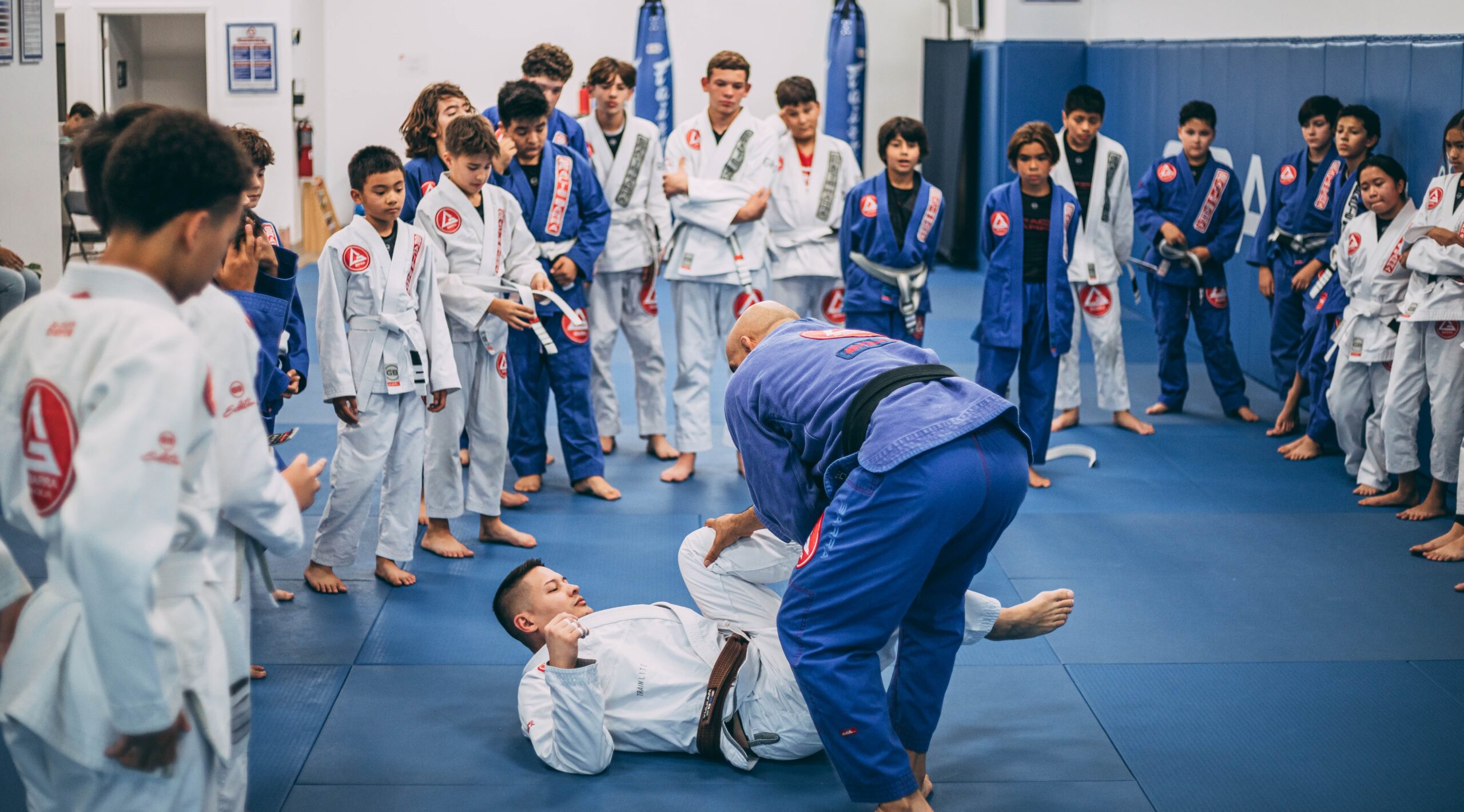
Reaching this stage demonstrates that an athlete understands structural framing, self-defense postures, and controlled breathing under pressure. Training at Gracie Barra Chula Vista instills technical habits that allow practitioners to remain safe against stronger or heavier training partners.
DISCOVER GRACIE BARRA CHULA VISTA
CLICK HEREDefensive Foundations and Essential Positional Escapes
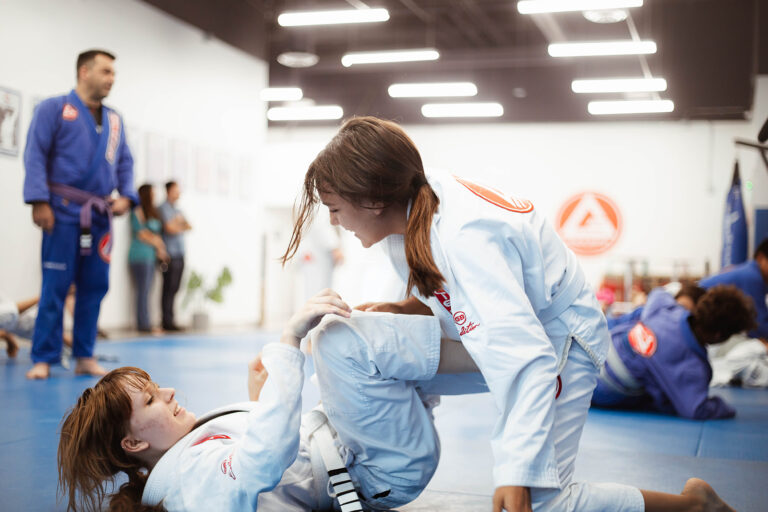
The foundation of early advancement relies entirely on your ability to survive bad positions and escape smoothly. Mastering defensive structures guarantees that you preserve your physical energy while staying safe under continuous top pressure.
Mastering Core Hip Escape Mechanics
The hip escape, or shrimp, serves as the most indispensable defensive movement in all of ground fighting. Shifting your hips backward creates room to establish frames, reinsert knees, and recover defensive guard alignment.
Repetitive drilling makes hip recovery second nature during dynamic grappling rounds. Moving your hips continuously prevents top opponents from flattening your shoulders against the mat.
Structural Frames for Side Control Escapes
Surviving side control requires setting rigid forearm frames across your opponent’s throat and hip line. These skeletal barriers support top weight effortlessly and protect your arms from fatigue.
Bridging hard toward the opponent creates space to slide your bottom knee into the pocket. Establishing this initial barrier is fundamental for rebuilding closed or open guard systems.
Mount Reversals and Hip Relocation
Full mount defense demands keeping elbows glued tightly against your ribs to deny high-mount transitions. Trapping an opponent’s arm and foot on one side sets up a clean bridge-and-roll reversal.
When the top partner leans forward to post hands, executing the knee-elbow escape quickly recovers half guard. Demonstrating both responses under live pressure satisfies vital criteria for technical advancement.
Defending Back Control and Choke Threats
Back control poses severe dangers because opponents can access your neck without facing your defensive limbs. Defenders must immediately fight the choking hand with two hands while keeping their chin glued to the collarbone.
Sliding your shoulders down to the mat while clearing your opponent’s lower hooks neutralizes attacking leverage. Staying composed during back defense proves that a practitioner can systematically disarm high-percentage threats.
Positional Control and Guard Management Standards
Meeting standard bjj blue belt requirements demands functional proficiency from both top control and guard bottom. Grapplers must know how to maintain stable pins, direct movement tempo, and manage proper fighting range.
Maintaining Guard Posture and Distance Control
The closed guard works as an active defensive barrier where bottom players break posture and disrupt base. Gripping collars and sleeves prevents opponents from sitting upright and establishing passing grips.
Keeping constant leg engagement tires top players as they attempt to open your defense. This postural control gives you the initiative to explore attacks without yielding space.
Executing Basic Sweeps with Precision
Sweeps teach practitioners to off-balance heavier opponents by combining core hip action with clean mechanical leverage. Moves like the scissor sweep and bump sweep show how angles easily overcome brute muscular power.
Success depends on timing your off-balancing action precisely when the opponent redistributes body weight. Fluid sweep mechanics during sparring demonstrate that you understand transitional timing.
Stabilizing Dominant Top Pins and Transitions
Effective top control relies on low hip distribution, heavy shoulder pressure, and active head control. Good pressure pins prevent underneath players from recovering knee shields or establishing protective forearm frames.
Moving between side control, knee-on-belly, and full mount forces bottom grapplers to make critical errors. Mastering these transitions ensures you keep superior mat position before hunting for submissions.
High-Percentage Submissions and Sparring Composure
Submission competency at the introductory level centers on recognizing high-percentage openings while maintaining dominant position. A disciplined athlete prioritizes control first rather than sacrificing balance for a risky submission attempt.
Straight Armlock Applications from Core Positions
The classic armbar shows how whole-body leverage isolates a single joint against an opponent. Securing the arm requires tight control over the opponent’s wrist, triceps, and postural alignment.
Rushing the finishing mechanics often leads to lost top position and failed attacks during live sparring. Candidates must demonstrate deliberate control and steady mechanics before extending the joint.
Applying Reliable Chokes from Guard and Mount
Cross-collar strangles and rear naked chokes represent the cleanest ways to finish an exchange safely. Setting up these techniques requires accurate forearm placement rather than frantic arm squeezing.
Understanding how defensive reactions open complementary attacks reflects practical mat maturity. Chaining positional pressure into technical chokes shows a well-rounded understanding of grappling strategy.
Building Composure and Sparring Pacing
Technical knowledge provides little value if an athlete cannot manage breathing and emotional control during rounds. Relaxed breathing prevents early exhaustion and allows your mind to process tactical openings calmly.
Dedication over twelve to twenty-four months builds the reflexive reactions necessary for smooth sparring exchanges. Staying technical under duress distinguishes ready blue belt candidates from impulsive beginners.
Sustainable Approaches to Long-Term Mat Progression
Advancing safely through rank milestones requires balancing intense sparring rounds with methodical technical drilling. Prioritizing correct technique over aggressive power training protects your body and prevents common training injuries.
Structured fundamental classes offer clear benchmarks for tracking personal improvement over time. Practicing under experienced coaches at Gracie Barra Chula Vista provides actionable feedback to refine subtle body mechanics.
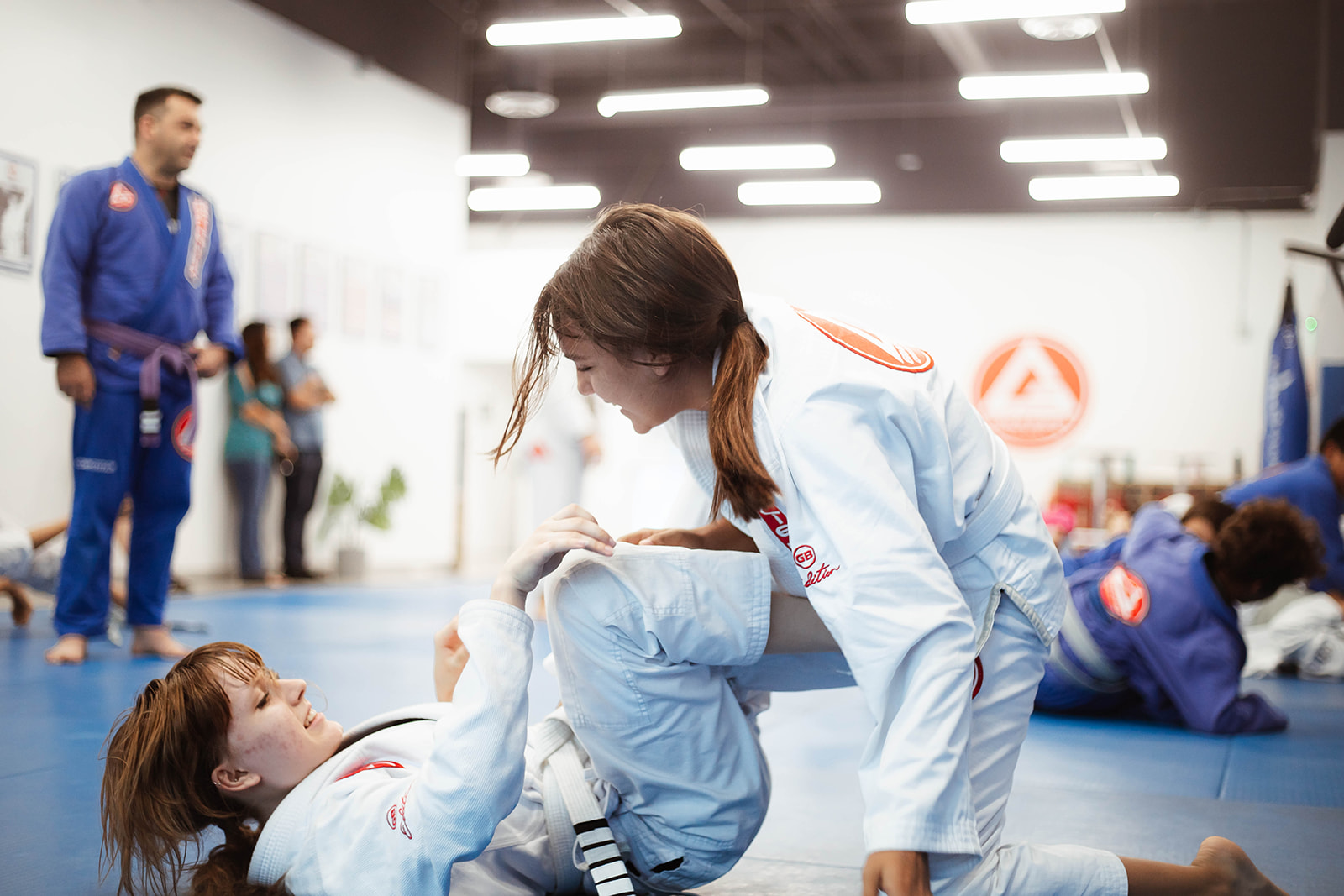
Practical Blueprint for Promotion Readiness
Consolidating your defensive skills requires honest evaluation of your positional weaknesses during training sessions. Spending rounds defending against advanced practitioners sharpens your defensive recovery under genuine pressure.
Approach each session with specific tactical goals, whether you are retaining guard, escaping side control, or managing grips. Steady mat time transforms abstract instructional concepts into intuitive movement patterns.
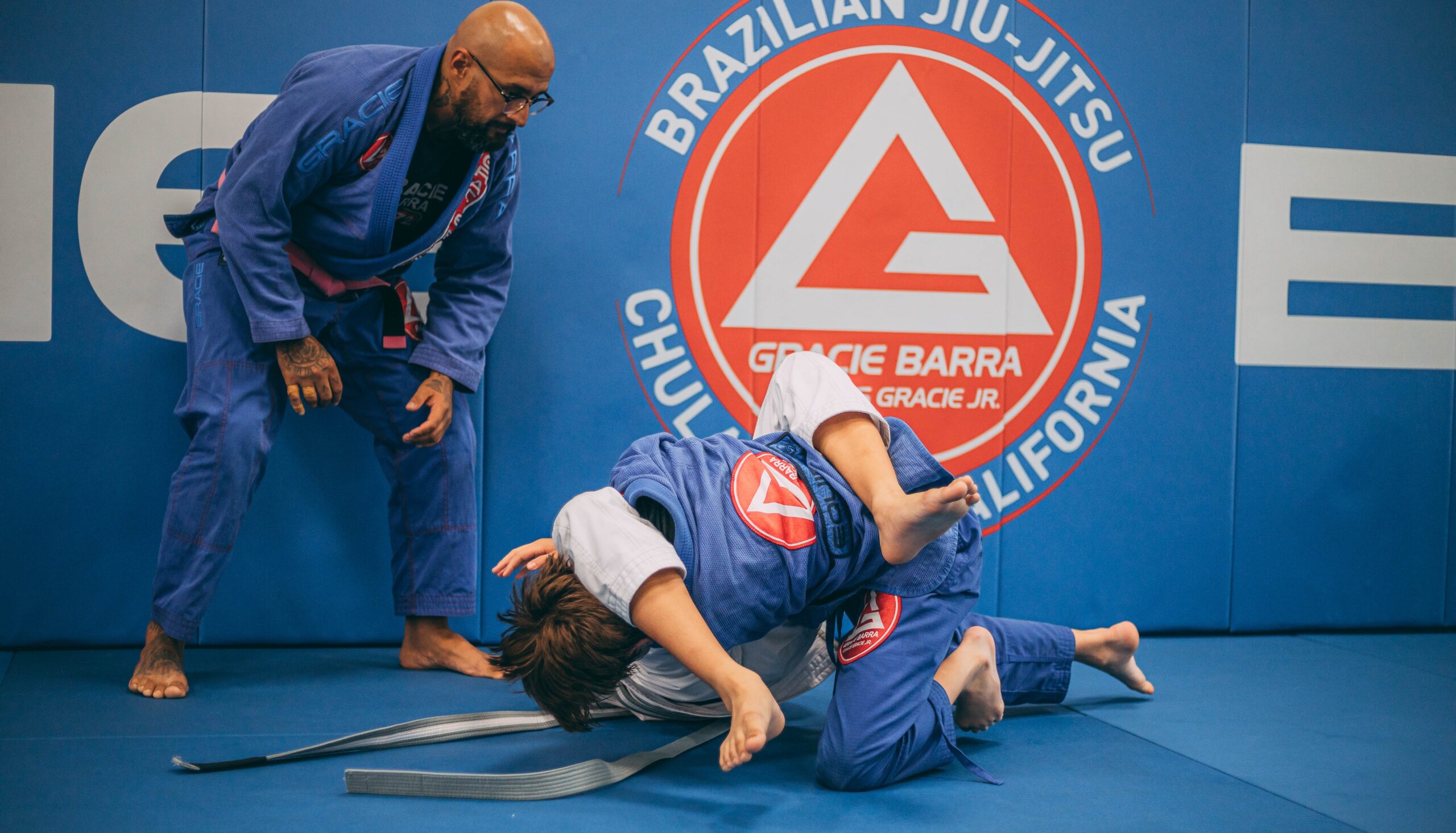
DISCOVER GRACIE BARRA CHULA VISTA
CLICK HEREAdvancing Your Jiu-Jitsu Journey with Confidence
Fulfilling the core bjj blue belt requirements marks an important milestone in any martial artist’s long journey. Building dependable survival reflexes, composed guard play, and measured top pressure forms an unbreakable technical base.
Whether you step onto the mats for self-defense, fitness conditioning, or personal development, disciplined training yields life-changing results. Students throughout Chula Vista, CA are welcomed to embrace this challenging path and grow through the art.